Autoimmune conditions, such as eczema, psoriasis, and lupus, often cause uncomfortable and recurring skin flare-ups, even in areas that are more sensitive like the nipples. These conditions involve an overactive immune response, leading to inflammation, redness, and skin irritation. CBD (cannabidiol), a compound derived from hemp, is gaining attention for its anti-inflammatory and soothing properties, making it a promising option for managing skin symptoms in autoimmune conditions. In this article, we explore how CBD may help alleviate skin flare-ups and what users should know about its potential benefits.
1. Understanding Autoimmune Skin Conditions
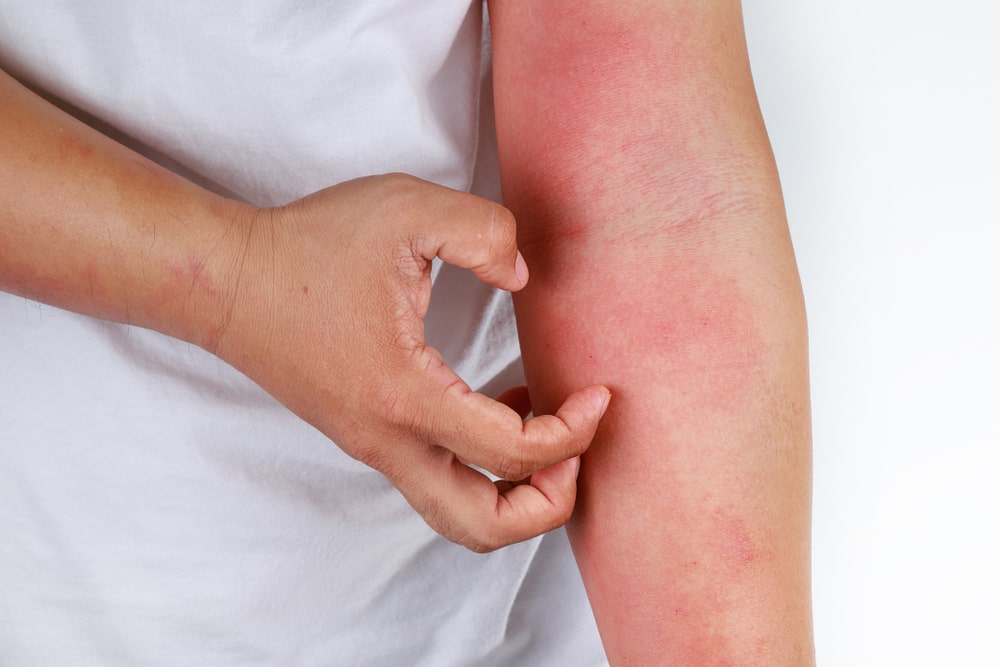
- Immune System and Inflammation: In autoimmune conditions, the immune system mistakenly attacks healthy skin cells, resulting in chronic inflammation. This leads to flare-ups, characterized by redness, itching, and swelling.
- Common Skin Conditions: Psoriasis and eczema are two common autoimmune-related skin conditions. These conditions often involve persistent or recurring patches of inflamed skin that can be painful and impact quality of life.
2. How CBD Works on the Skin
- Interacts with the Endocannabinoid System (ECS): The skin contains cannabinoid receptors in the endocannabinoid system (ECS), which helps regulate immune response and inflammation. When applied topically, CBD interacts with these receptors to potentially reduce inflammatory signals and soothe the skin.
- Anti-Inflammatory Properties: CBD has been studied for its anti-inflammatory effects, which can help reduce swelling, redness, and irritation. This makes it a valuable ingredient in creams and lotions for those with sensitive or inflamed skin. You can even get nipple eczema treatment with CBD.
3. Benefits of CBD for Managing Autoimmune Skin Flare-Ups
a. Reduces Inflammation
- Effect on Immune Response: CBD may modulate immune activity, helping to reduce the overactive response that triggers skin flare-ups. By decreasing inflammation, CBD topicals can relieve symptoms like redness, swelling, and heat in affected areas.
- Calming Irritated Skin: CBD’s anti-inflammatory effects make it ideal for calming irritated skin, which is crucial for managing autoimmune flare-ups and preventing skin damage.
b. Moisturizes and Repairs Skin Barrier
- Enhanced Skin Hydration: Dry, cracked skin is common in autoimmune conditions. CBD products often include moisturizing ingredients, helping to repair and maintain the skin’s natural barrier.
- Protection from Environmental Stressors: CBD’s antioxidant properties may protect the skin from environmental factors like pollution and UV rays, which can worsen autoimmune symptoms.
c. Alleviates Itching and Discomfort
- Soothing Effect on Nerve Endings: CBD may help reduce the itching and discomfort associated with flare-ups by interacting with nerve endings in the skin.
- Better Tolerability: Many people with sensitive skin find that CBD is less irritating than some traditional treatments, making it suitable for regular use.
4. Types of CBD Products for Autoimmune Skin Conditions
- CBD Creams and Lotions: These products are easy to apply and offer targeted relief for localized flare-ups. Creams often contain additional soothing ingredients like aloe or chamomile, enhancing CBD’s calming effect.
- CBD Oils and Serums: CBD oils can be directly applied to affected areas or added to a moisturizer. They offer deep hydration and can be beneficial for dry patches of skin common in conditions like eczema.
- CBD Bath Products: CBD bath bombs or salts can be useful for all-over relief, soothing large areas of skin affected by inflammation. The warm water helps open pores, allowing CBD to penetrate and calm irritated skin.
5. Scientific Evidence Supporting CBD for Skin Conditions
- Eczema and Itch Relief: Studies indicate that CBD’s interaction with ECS receptors can reduce itching and dryness, providing relief for eczema sufferers.
- Psoriasis Management: While more research is needed, early studies suggest CBD may slow down skin cell growth, which is accelerated in psoriasis. Slowing cell turnover can help reduce scaling and plaque formation.
- General Inflammation: Several studies support CBD’s effectiveness in reducing general inflammation, which is a core aspect of managing autoimmune skin conditions.
6. What to Look for in CBD Products for Skin Care
- Full-Spectrum or Broad-Spectrum CBD: These types of CBD products contain additional cannabinoids and compounds that enhance the overall effect, often providing better results for skin health.
- Quality Ingredients: Look for products with natural and nourishing ingredients, such as aloe vera, vitamin E, or hyaluronic acid, to boost skin hydration and healing.
- Avoid Artificial Fragrances and Harsh Chemicals: People with autoimmune conditions often have sensitive skin, so it’s best to choose products free from artificial additives that may irritate the skin further.
7. Considerations and Safety Tips
- Patch Test First: Always do a patch test on a small area of skin to check for any potential reaction, especially if you have sensitive skin.
- Choose Reputable Brands: Look for third-party tested CBD products to ensure purity and quality. Trusted brands disclose their lab results, showing exactly what’s in their products.
- Consult a Healthcare Provider: If you’re already using medication for your condition, consult with a healthcare provider before adding CBD products to your routine to avoid any interactions.
Final Thoughts
CBD’s anti-inflammatory, moisturizing, and soothing properties make it a valuable option for managing skin flare-ups in autoimmune conditions. By reducing inflammation and easing discomfort, CBD can provide relief for conditions like eczema and psoriasis, helping to calm the skin and improve its overall health. With more research underway, CBD continues to show promise as a natural tool for managing skin symptoms in autoimmune conditions.
4o